How Invisalign Works: A Step-By-Step Guide to the Invisalign Process
Invisalign moves teeth with gentle, continuous pressure from custom trays. See the full process, timeline, and cost at Swish Dental.

Invisalign moves teeth with gentle, continuous pressure from custom trays. See the full process, timeline, and cost at Swish Dental.
Invisalign works by applying gentle, continuous pressure to your teeth through a series of custom-made clear plastic aligners. Each tray is shaped slightly straighter than your current tooth position, and that mismatch pushes specific teeth toward the planned position. You wear each tray 20 to 22 hours a day and switch to the next one every one to two weeks.
Every aligner in your series is manufactured slightly out of position relative to where your teeth currently sit. When you seat the tray, it presses against certain tooth surfaces and not others. That is the entire mechanism, and it is more precise than it sounds.
The pressure passes into the periodontal ligament, the thin layer of tissue connecting each tooth root to the bone around it. Sustained pressure on one side of the root signals the body to break down bone on that side, while new bone forms on the opposite side. The tooth moves into the space the body creates, a fraction of a millimeter per aligner. This is the same biological process traditional braces rely on. What differs is how the force is delivered and how precisely each movement can be sequenced in advance.
Because the movement depends on sustained pressure rather than force, wear time matters more than tightness. An aligner worn 14 hours a day does not move teeth more slowly than one worn 22 hours. It often does not move them at all, because the ligament has time to settle back between wears.
Smooth plastic slides off a smooth tooth. So, for movements like rotating a canine or pulling a tooth downward, the aligner needs a surface to push against. In these cases, your dentist will bond small, tooth-colored composite bumps to specific teeth at the start of treatment. These are attachments, and the aligner is molded to fit around them. They come off at the end of treatment and are not noticeable at conversational distance. Attachments are not required for all Invisalign treatments, and will depend on the specific movements needed to straighten your teeth over time.
A single tray will only shift your teeth around 0.25 mm of translation or a couple of degrees of rotation. That is why the series matters more than any individual tray, and why skipping ahead does not speed anything up. A tray two steps forward is not shaped for where your teeth are today, and an unseated tray delivers no useful force at all.
Swish Dental is a certified Diamond-Plus Invisalign provider. This is the top status that an Invisalign provider can achieve as it requires that a provider complete 200 cases every 6 months. We always strive to offer top-notch service and will continue to work with you until you have achieved your dream smile!
Malocclusion is the dental term for when your teeth are not properly aligned, leading to bite issues and uneven tooth wear. Understanding the causes and types of malocclusion can help you see why orthodontic treatments like Invisalign are often recommended.
What Invisalign is doing depends on which bite problem you have:
The duration of Invisalign treatment can vary depending on individual cases. On average, treatment time is typically between 8 to 10 months with some taking as little as 4 months. However, in more complex cases, it may take up to 24 months to achieve the desired results. It's important to consult with your dentist at Swish Dental to get a more accurate estimate based on your specific needs.
While many people think of teeth straightening purely as a way to achieve a dazzling smile, the advantages actually reach much further than appearance alone.
Straight teeth make it easier to maintain good oral hygiene. When your teeth are properly aligned, brushing and flossing become more effective, helping prevent cavities, gum disease, and plaque buildup.
Misaligned teeth can sometimes create challenges with chewing or even result in minor speech difficulties. Straightening your teeth helps ensure that biting, chewing, and pronouncing certain words—like those tongue-twister French patisseries or your favorite Italian brands—become a breeze.
Teeth that are out of alignment may experience uneven wear and tear over time. By correcting your bite, you help preserve your enamel and protect your teeth from future damage, reducing the chance you’ll need expensive dental repairs down the road.
Orthodontic treatments don’t just make your smile look its best—they can also ease jaw pain and decrease the risk of temporomandibular joint (TMJ) issues, headaches, and even neck strain by aligning your bite and reducing pressure on your jaw muscles.
In short, teeth straightening is a worthwhile investment in both your oral health and your overall comfort—not just your Instagram feed.
Now that we have a basic understanding of what Invisalign is, let's compare it to other teeth straightening options like traditional braces.
When it comes to appearance, Invisalign takes the lead. The clear aligners are barely noticeable, allowing you to smile confidently throughout your treatment. In contrast, traditional braces use metal brackets and wires that are more visible and may cause self-consciousness. Additionally, Invisalign aligners are smooth and comfortable, without any sharp edges that can irritate the inside of your mouth.
Invisalign aligners are removable, which means you can eat any food you'd like and easily maintain your regular oral hygiene routine and ensure proper oral health. You can brush and floss your teeth just as you usually would. On the other hand, braces can limit the types of foods you can eat and make brushing and flossing more challenging due to the presence of wires and brackets, requiring additional tools like interdental brushes or floss threaders.
The length of your orthodontic treatment can vary depending on your specific dental needs. In general, Invisalign treatment tends to be faster than traditional braces in achieving straight teeth. While traditional braces usually take an average of two to three years, Invisalign treatment typically takes less time ranging from four months to two years, depending on the complexity of your case. During your consultation, your Invisalign-certified dentist will give you a personalized estimate for your treatment duration.
To help you visualize the differences between Invisalign and braces, refer to the Invisalign vs. Braces comparison chart.
In recent years, the orthodontic industry has seen the rise of mail-in aligner companies offering at-home teeth straightening solutions. While these alternatives may appear convenient and cost-effective, it's crucial to understand the key differences and advantages of professional treatments like Invisalign.
One of the primary advantages of Invisalign is the customized treatment plan it offers. Invisalign treatment begins with a comprehensive consultation by a qualified dentist who will evaluate your teeth, bite, and overall oral health. Advanced 3D imaging technology is used to create a precise digital model of your teeth, enabling the creation of custom-made aligners that are tailored to your specific needs. This personalized approach ensures optimal treatment results and addresses complex alignment issues that may not be adequately addressed by generic mail-in aligners.
Invisalign treatment is administered and monitored by experienced dental professionals throughout the entire process. Your dentist will oversee your progress, making adjustments as necessary to ensure your teeth are moving correctly and efficiently. Regular check-ups and visits allow for thorough monitoring of your oral health, ensuring that any potential issues are addressed promptly. In contrast, mail-in aligner companies generally rely on self-assessment or remote monitoring, which may not provide the same level of professional oversight.
Invisalign is designed to treat a wide range of orthodontic issues, including overcrowding, gaps between teeth, crossbites, overbites, and underbites. The advanced technology and treatment planning software used in Invisalign allows for the precise and controlled movement of teeth, even in complex cases. Mail-in aligner companies typically focus on mild to moderate alignment issues, often excluding complex cases that require professional intervention.
Invisalign has a long-standing reputation for its reliability and effectiveness. The technology behind Invisalign aligners is continuously evolving and backed by extensive research and clinical studies. As a result, Invisalign aligners have a proven track record of achieving predictable and successful outcomes. Mail-in aligner companies, while offering convenience, may lack the same level of scientific validation and clinical evidence.
After your Invisalign treatment is complete, your dentist will provide you with retainers to help maintain the results. Additionally, they will schedule regular follow-up visits to monitor the stability of your smile. This level of continued support and aftercare ensures that your investment in treatment lasts for years to come. Mail-in aligner companies may not offer the same level of post-treatment care or follow-up.
While mail-in aligners may seem attractive due to their convenience and lower cost, the advantages of Invisalign in terms of customization, professional supervision, treatment capabilities, comfort, reliability, and post-treatment care make it the superior choice for achieving optimal results. Consulting with a qualified dental professional will help determine the most appropriate treatment plan for your specific needs, ensuring a safe, effective, and long-lasting transformation of your smile.
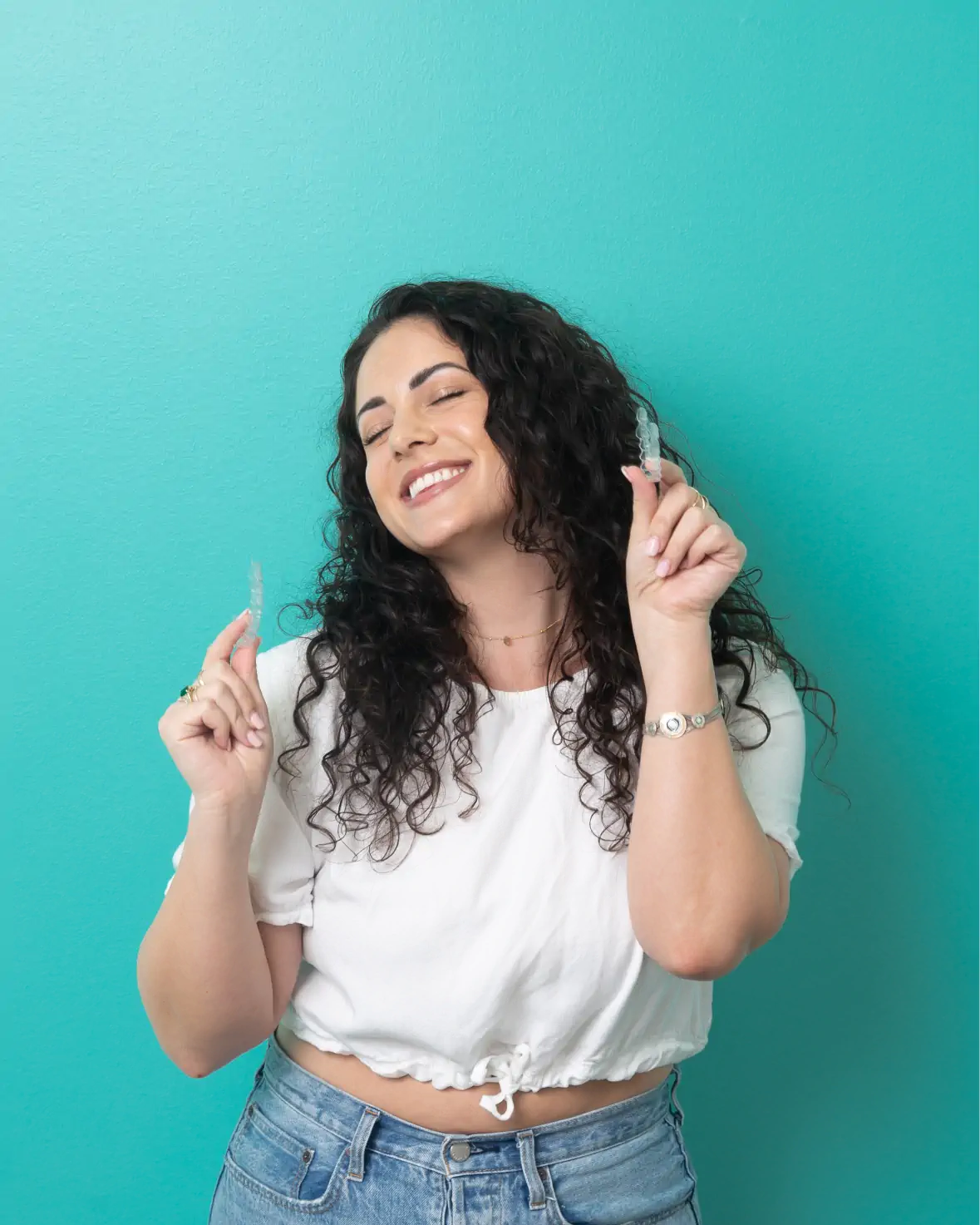
Invisalign has been proven to effectively address a wide range of orthodontic issues, including overcrowding, gaps between teeth, and various bite problems. The aligners are designed to gradually shift your teeth into their ideal positions, guided by your Invisalign provider’s treatment plan.
According to an analysis published in the BMC Oral Health Journal in 2019, invisible aligners were found to offer several advantages over braces, including an efficacy rate that matched conventional braces accomplished in a shorter amount of time.
The effectiveness of Invisalign is also supported by a 96% customer satisfaction rate, along with thousands of real-smile transformations. Many individuals have achieved remarkable results with Invisalign, transforming their smiles and boosting their confidence. To see the incredible impact of Invisalign, take a look at these inspiring before and after photos:
As you can see, Invisalign has the potential to create significant improvements in the alignment of your teeth, leading to a more harmonious, new smile.
When considering any orthodontic treatment, including Invisalign, it's important to understand the factors that influence the cost. The cost of Invisalign treatment can vary based on several factors, including the complexity of the case which can affect treatment duration.
If you have dental insurance, it's important to check whether your plan covers orthodontic treatment, including Invisalign. Insurance coverage can significantly reduce your out-of-pocket expenses. Coverage varies among insurance providers, but it's not uncommon for plans to include $1,500 to $2,000 in coverage toward Invisalign treatment. Contact your insurance provider directly to learn the specifics of your coverage.
At Swish Dental the cost of Invisalign treatment is $6,450. Affordability is a common concern, and fortunately, there are various financing options available to make Invisalign treatment more accessible. Read the rest of this blog to discover a special discount on Invisalign at Swish!
At Swish Dental, we offer financing options to help make Invisalign more affordable. These are the financing options we support:

Invisalign offers an innovative and effective solution for achieving a straighter smile. Throughout this blog post, we've discussed the benefits of Invisalign, the cost considerations, and the treatment process, and addressed frequently asked questions. If you're ready to transform your smile, we encourage you to schedule a consultation with Swish Dental. Our experienced team will provide personalized guidance and create a treatment plan tailored to your unique needs.
Take the next step toward your dream smile. Mention this blog post to receive $1,750 off your Invisalign treatment (cannot be combined with other offers). Don't wait any longer – schedule your Invisalign consultation with Swish Dental today!
As you consider Invisalign as a teeth-straightening option, you may have some common questions and concerns. Let's address a few of these FAQs to provide you with more information:
Invisalign offers numerous advantages, such as a virtually invisible appearance, removability, and easier maintenance compared to traditional braces. It can address various orthodontic issues, providing a more comfortable and convenient teeth-straightening experience. Many patients find Invisalign to be worth the investment due to the benefits it offers.
To achieve the best results, it is recommended to wear your Invisalign aligners for a minimum of 20-22 hours per day. The aligners should only be removed for eating, drinking, brushing, and flossing. Consistent wear of your aligners will ensure the effectiveness of the treatment.
Invisalign treatment involves a series of custom aligner trays that gradually shift your teeth into the desired position. These aligners are made using advanced technology and are designed to be switched out approximately every week. Each new set of aligners will continue the movement of your teeth until the desired alignment is achieved. For a detailed step-by-step breakdown of the Invisalign process, refer to the earlier sections of this blog post.
Invisalign treatment is generally more comfortable compared to traditional braces. Some patients may experience temporary discomfort or pressure when transitioning to a new set of aligners, but it typically subsides within a few days. Invisalign aligners are designed to fit snugly and minimize irritation.
Keeping your Invisalign aligners clean is important for maintaining good oral hygiene. Rinse your aligners with lukewarm water before wearing them or after removing them. It's recommended to brush your aligners gently with a soft toothbrush and mild toothpaste to remove any buildup. Avoid using hot water, as it can warp the aligners. Additionally, Swish Dental can provide specific instructions on how to clean your aligners effectively.
The cost of Invisalign can vary based on individual cases and dental providers. Here at Swish, the standard Invisalign cost is $6,450. However, we frequently run promotions on our Invisalign treatments and offer flexible and convenient financing plans. Additionally, insurance coverage may help offset the cost of Invisalign treatment. It's recommended to schedule a consultation with Swish Dental to receive an accurate cost estimate tailored to your specific needs.